Renewing Learning in Chita: Practical Ways Teachers, Parents and Communities Can Strengthen Education
Introduction
Chita and the wider Zabaykalsky region face unique challenges and opportunities: long winters, vast distances between villages, and proud local traditions. At the same time, teachers, parents and local organizations have shown remarkable adaptability and creativity. This article gathers practical teaching methods, local-minded resources, inspirational stories and step-by-step tips that educators and families in Chita can use to support stronger learning outcomes for every child.
Why local context matters
— Climate and distance shape the school day and extracurricular options — plan for outdoor lessons in short summer months and richer indoor project cycles in winter.
— Smaller schools and mixed-age classes are common — use multi-level teaching techniques to turn mixed classes into strengths.
— Community ties are strong — local businesses, libraries and elders are valuable partners for real-world projects.
Teaching methodologies that work well in Chita
— Project-based learning (PBL)
— Choose community-linked projects: local history research, river ecology, or small business plans for village stores.
— Output-focused: exhibitions, presentations to parents or digital portfolios.
— Flipped classroom
— Short recorded explanations at home (audio or lightweight video) and active practice in class.
— Works well where classroom time is limited or where home internet is intermittent (use USB drives or distributed printouts).
— Differentiated instruction
— Plan 2–3 task levels in every lesson so all students can progress.
— Peer mentoring: stronger students tutor peers—good for mixed-age groups.
— Outdoor and place-based education
— Use Chita’s surrounding taiga, rivers and history as a living curriculum for science, geography and art.
— Formative assessment and feedback
— Regular low-stakes checks (exit slips, oral quizzes) keep learning on track and reduce end-of-term stress.
Practical classroom techniques
— Start lessons with a 3–5 minute “focus routine” (breathing, question of the day, micro-quiz).
— Use short learning cycles: 10–15 minute input, 15–20 minute active practice, 5–10 minute reflection.
— Visualize learning objectives on the board so students know the goal each lesson.
— Rotate stations with varied tasks: reading, hands-on task, digital exercise, teacher help.
— Keep a classroom “feedback wall” where students post one thing they learned and one question.
Resources teachers can use (national and local)
— Российская электронная школа (РЭШ) — curriculum-aligned video lessons and materials for grades 1–11.
— Яндекс.Учебник — interactive exercises and analytics for teachers (works offline via printable materials).
— Учи.ру — practice platform with exercises for Russian curriculum subjects.
— Higher School of Economics (НИУ ВШЭ) — Institute of Education offers webinars and materials for teacher development.
— Local universities — reach out to Забайкальский государственный университет (Zabaykalsky State University) for student volunteers, guest lectures and joint projects.
— Regional education authorities — Министерство образования Забайкальского края can advise on grants, professional development and regional programs.
For parents: simple, high-impact actions at home
— Establish a predictable homework routine (place, time, 30–45 minute sessions with breaks).
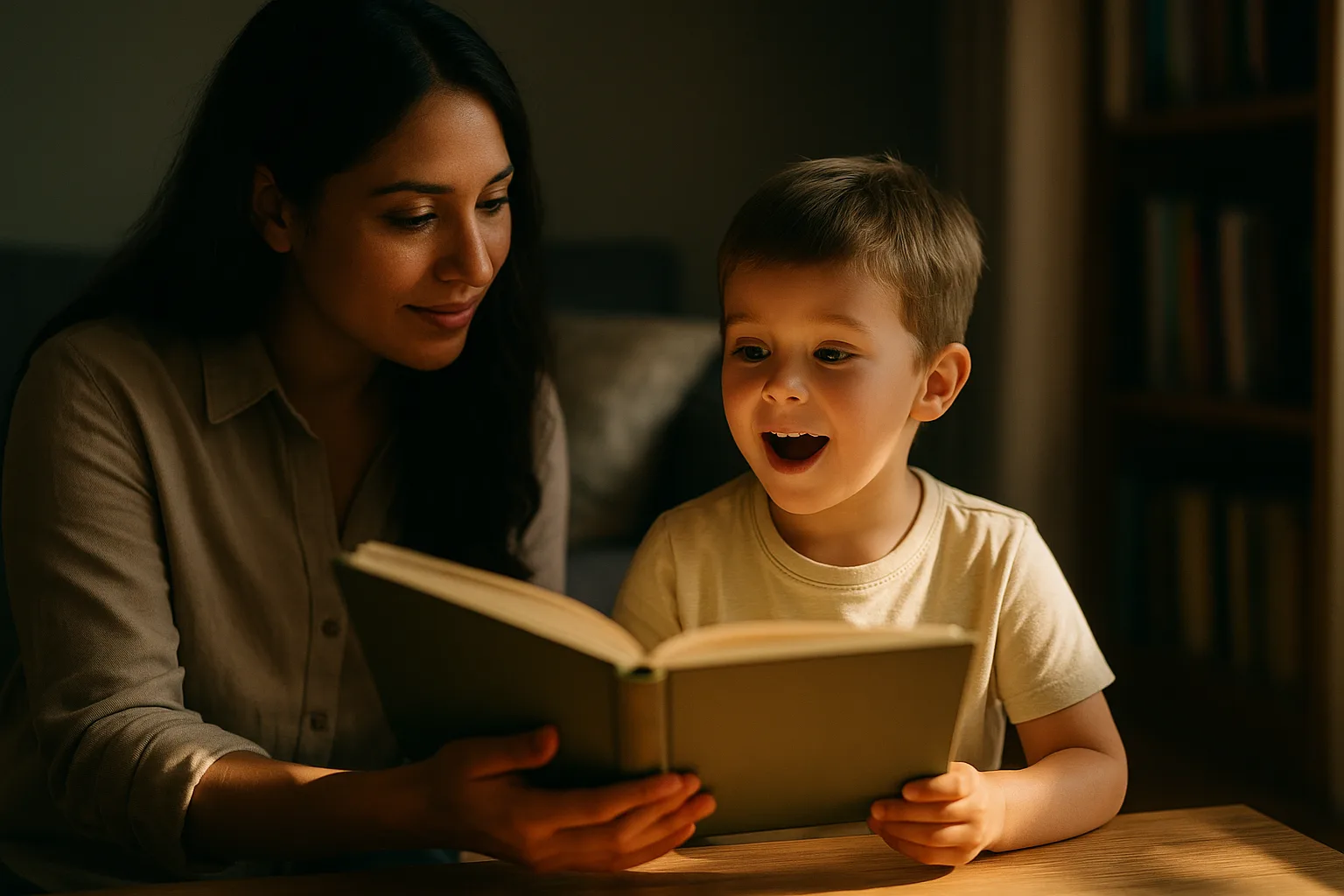
— Read together daily — even short shared reading boosts language skills.
— Turn local context into learning: tell family stories, map walks, and count or measure while doing chores.
— Use praise that focuses on effort and strategy (“You planned your work and tried a new way—well done”), not only outcomes.
— Stay in touch with teachers: a quick weekly note or chat builds consistency and prevents surprises.
Supporting teachers and wellbeing
— Build peer communities: weekly lesson-swaps, observation rounds or joint planning sessions.
— Microprofessional development: short (30–60 minute) learning sessions on a rotating schedule—classroom management, assessment, digital literacy.
— Use simple stress-management practices: short staff mindfulness sessions; rotating “on-call” days to reduce burnout.
— Apply for small grants together (municipal or Presidential Grants Fund — Фонд президентских грантов) for projects that need materials or travel.
Technology and connectivity: practical tips
— Plan for low-bandwidth solutions: audio lessons, compressed video, PDF handouts and printed packets.
— Encourage offline digital resources: downloaded video lessons, portable drives, and local servers where possible.
— Use widely available messengers (Telegram) for parent-teacher communication and distributing assignments.
— When internet is sporadic, schedule synchronous online meetings at predictable times and provide asynchronous alternatives.
Inspirational stories from Chita (examples)
— A remote school created a “Taiga Science Club”: students monitor river water quality and present findings at a municipal fair. Engagement rose and older students helped mentor younger ones.
— A chemistry teacher recorded 5–8 minute demonstrations for home viewing, freeing class time for experiments. Test scores improved and parents reported greater interest in science.
— Parents in a village pooled funds to buy a basic robotics kit; older students taught younger children coding basics, and the team won a regional small-innovation prize.
Step-by-step checklist to start improving learning this term
1. Convene a 1-hour meeting of teachers and parent reps to identify two priorities (e.g., reading skills, numeracy, student engagement).
2. Pick one teaching method to pilot (Flipped classroom or PBL). Plan 3 lessons together.
3. Identify one local partner (university, library, NGO, business) and propose a joint mini-project.
4. Set up a simple communication channel for families (class Telegram group or weekly newsletter).
5. Monitor progress with quick fortnightly checks and adjust.
Funding and partnerships to explore
—