Strengthening Education in Chita: Practical Methods, Local Resources, and Inspiring Stories for Teachers and Parents
Introduction
Chita and the wider Zabaykalsky Krai have unique cultural, geographic, and economic features that make local education both challenging and full of opportunity. This article offers actionable teaching methodologies, resources for teachers and parents, real-life-inspired vignettes, and practical steps schools and communities can take to improve learning outcomes here in Chita.
Why local solutions matter
— Local relevance increases student engagement: lessons connected to Transbaikalia’s history, ecology, and economy feel meaningful.
— Small-scale, practical changes—teacher collaboration, parental involvement, community partnerships—often produce fast, visible gains.
— Digital and national resources can be adapted to local needs; blending them with Chita-specific content builds ownership.
Effective teaching methodologies (with Chita-friendly examples)
— Active learning and inquiry-based lessons
— Example: science classes study local river ecosystems—students collect data, formulate hypotheses, and present findings to the community library.
— Project-based learning (PBL)
— Example: cross-curricular project on the history of Chita railway development, combining history, geography, and maths (timelines, maps, data analysis).
— Differentiated instruction
— Create tiered tasks and learning stations so students of varying levels can progress together during one lesson.
— Formative assessment and feedback loops
— Use short exit tickets, quick quizzes, or one-minute reflections to adjust instruction the next day.
— Flipped classroom / blended learning
— Record short lecture videos or use national digital lessons for homework; use class time for discussion, practice, and projects.
— Cooperative learning and peer tutoring
— Older students mentor younger ones on reading or basic IT skills—builds community and reinforces learning for tutors.
— Culturally responsive teaching
— Integrate local stories, oral histories, and indigenous perspectives (where relevant) to validate students’ backgrounds.
Practical classroom tactics (cheap and high-impact)
— Use local materials: maps, photographs, interviews with elders, and samples from local habitats for science.
— Mini-projects that culminate in public exhibitions (school halls, libraries, marketplaces) to increase parental and community engagement.
— Implement portfolios: students keep a digital or paper portfolio of work to show growth over time.
— Rubrics for transparency: share simple rubrics with students and parents so expectations are clear.
— Short, consistent routines: daily reading time, warm-up math problems, or “30-minute maker hour” once a week.
Resources for teachers (national and practical)
— Российская электронная школа (Российская электронная школа / RESh) — curriculum-aligned lessons and materials.
— Uchi.ru and ИнтернетУрок — interactive exercises and lesson plans for primary and secondary levels.
— Khan Academy (Russian) — videos and practice in math, science, and more.
— Coursera / Яндекс.Практикум — professional development courses and subject refreshers.
— Telegram and VK teacher communities — local and national teacher groups often share lesson plans, schedules for webinars, and free resources.
— Local professional networks — coordinate with the Ministry of Education of Zabaykalsky Krai for workshops, and with nearby colleges for guest lectures and student teacher placements.
Resources and tips for parents
— Create consistent homework routines: fixed time and quiet space, with 20–45 minute blocks depending on age.
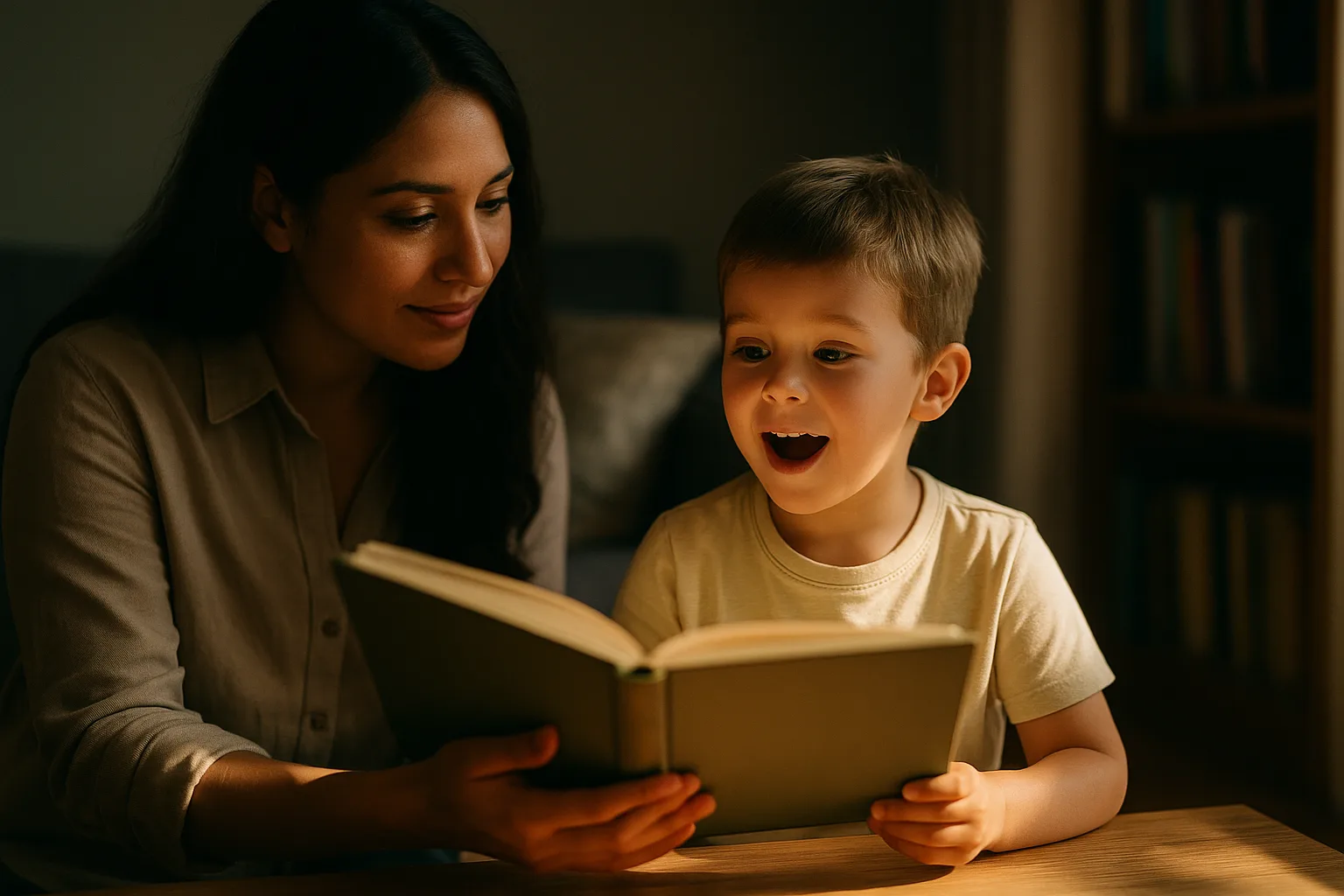
— Encourage reading: family reading time, library visits, and talking about books strengthen language and thinking skills.
— Support digital literacy: learn basic platforms your child uses (school portal, video lessons), and set simple rules for screen time.
— Stay involved with school: attend parent-teacher meetings, volunteer for school events, and communicate regularly with teachers.
— Reinforce learning through life: involve children in budgeting, cooking, gardening, and local history conversations—everyday activities become lessons.
Inspirational vignettes (examples to adapt)
— A Chita primary teacher turned local oral histories into a year-long literacy project: students interviewed grandparents, wrote stories, and created an illustrated anthology that was displayed at the regional library. Engagement and reading fluency rose across the class.
— A rural school organized a “Science Day” using nearby river and steppe habitats. Students designed experiments, presented findings to the community, and local environmental volunteers offered follow-up mentoring—sparking sustained interest in STEM.
Steps schools and municipalities can take now
— Launch teacher learning communities (weekly or monthly): share successes, micro-lessons, and classroom videos.
— Seed small grants for teacher-led innovation projects (materials, excursions, local expert